

Graphic design is the fastest way to turn your packaging into a clear expression of brand value—shaping first impressions, guiding attention on the shelf, and reinforcing why your product deserves a place in the cart. In practical terms, graphic design aligns colour, typography, hierarchy, and material finishes so that your box communicates benefits at a glance, reduces friction in the buying decision, and strengthens recall long after unboxing. For brands selling in competitive retail and e-commerce environments, this strategic use of graphic design becomes a measurable growth lever: it improves visibility, increases perceived quality, and supports consistent storytelling across every touchpoint.
Why Graphic Design Matters in Packaging?
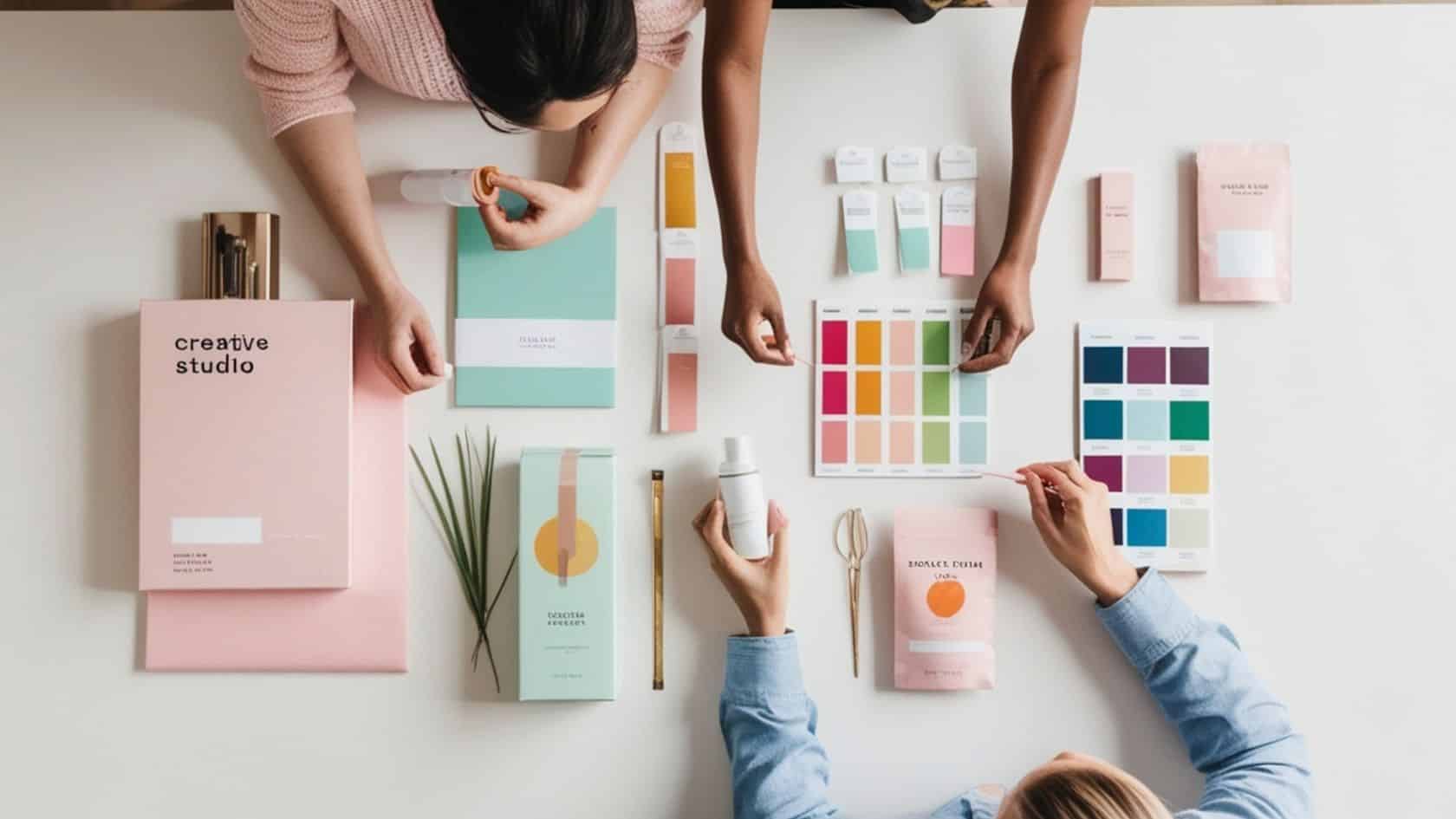
Graphic design matters in packaging because it defines how effectively a brand communicates its value before the product is even touched. In both retail shelves and digital marketplaces, a well-executed design captures attention within seconds. The use of balanced typography, distinctive colours, and cohesive layouts allows packaging to convey clarity and professionalism — qualities that strongly influence purchase decisions. A product may be exceptional, but without strategic graphic design, it can easily disappear among competing options.
Equally important, graphic design gives packaging the ability to tell a story. Every visual element — from shape to texture — contributes to how consumers perceive authenticity, sustainability, and innovation. When design aligns with brand identity, customers begin to recognise and remember it instinctively. This connection builds trust, enhances recognition, and turns ordinary packaging into a silent ambassador that communicates brand values long after the purchase.
The Connection Between Design and Brand Identity

The connection between design and brand identity lies in how graphic design visually translates what a brand stands for. Every element — colour palette, typography, imagery, and composition — works together to express tone, personality, and positioning. When these design components are consistent across all packaging formats, they create a unified visual language that customers instantly recognise. This consistency builds trust and credibility; it signals professionalism and reliability, two qualities that influence whether a buyer chooses one product over another. A strong visual identity doesn’t just decorate packaging — it makes the brand memorable, reinforcing recognition at every interaction.
Graphic design also plays a key role in emotional association. For example, minimalist layouts paired with natural tones can evoke sustainability, while bold colours and geometric shapes may convey energy or innovation. These cues are not accidental — they are strategically chosen to align with the target audience’s expectations and values. When packaging reflects the essence of the brand in this way, it amplifies the emotional impact of the product and fosters a deeper connection. Effective design bridges the gap between what a company wants to express and what the consumer feels, turning packaging into a medium of brand storytelling rather than just a protective layer.
From Concept to Print — The Design-to-Production Workflow

The journey from concept to print determines whether an idea translates into an effective, high-quality package. In packaging design, the process begins long before the first line is drawn. It starts with understanding the brand’s objectives, the product’s purpose, and the audience’s expectations. A creative brief defines tone, style, and key messages, providing the foundation for designers to explore visual directions that align with both function and identity. This early collaboration prevents costly revisions later and ensures that the design not only looks appealing but also performs well in practical use — whether displayed on a retail shelf or delivered in an e-commerce box.
Once the design concept is approved, attention shifts to technical preparation for printing. Here, graphic design precision becomes crucial. File formats, bleed settings, colour profiles, and material compatibility must all be optimised to maintain visual accuracy across different substrates. Because marketing materials such as catalogues, business cards, promotional kits, and branded notebooks are frequently updated and reprinted, companies rely on continuous printing press operations to maintain consistency and freshness. Modern printing technologies demand exact specifications to ensure colours remain vibrant and text remains crisp. Designers who understand this production side can anticipate challenges, such as ink absorption on textured cardboard or alignment shifts in die-cut shapes. When the creative and production teams work together through a streamlined design-to-print workflow, the result is packaging that maintains its intended look and feel from the digital mock-up to the finished product — ensuring visual integrity, consistency, and brand impact.
How Graphic Design Shapes Different Packaging Products

Graphic design plays an essential role across various packaging and printed materials. In cosmetic boxes, design determines how effectively brand colours and patterns express identity and quality. For food boxes, design combines clarity and compliance — integrating product visuals, nutritional information, and labelling in a way that builds consumer trust. In shirt boxes and special packaging, graphic details such as foil stamping, embossing, and texture contrast add a sense of exclusivity and elegance.
The same attention to detail applies to rope handle bags, twisted handle bags, and other printed materials like notebooks, catalogues, labels, and folders. These products rely on precise alignment between creative design and printing execution to maintain colour accuracy and visual harmony. When every item — from packaging to promotional stationery — follows the same graphic language, brands achieve consistent recognition and a professional image across all touchpoints.
How Professional Design Improves Shelf Impact and Sales

Professional graphic design improves shelf impact by ensuring that packaging stands out immediately within a crowded retail environment. On a typical store shelf, dozens of products compete for a consumer’s attention, and research shows that visual decisions happen within a few seconds. Design choices such as balanced hierarchy, bold yet harmonious colours, and clear typography guide the viewer’s eyes naturally to the product name and value proposition. This deliberate structure allows the customer to process information effortlessly — an essential factor in impulse buying. Packaging that combines visual clarity with emotional appeal not only attracts the eye but also holds it long enough to influence purchase intent.
Beyond visual attraction, strong graphic design has a measurable influence on sales performance. When a package is both aesthetically pleasing and functionally informative, it increases trust in the product’s quality and reliability. Clear labelling, consistent brand icons, and intentional negative space contribute to readability and user comfort, which together reduce decision fatigue. Over time, such clarity helps consumers identify the product more quickly during repeat purchases, turning first-time buyers into loyal customers. Effective design therefore acts as a silent salesperson — one that communicates benefits, conveys value, and creates the lasting visual memory that drives revenue growth.
The Role of Sustainable Design in Modern Packaging
Sustainable design plays a defining role in modern packaging because environmental awareness has become a key factor in consumer decision-making. Today’s shoppers look for brands that demonstrate responsibility through their materials and visual communication. Graphic design serves as the bridge between sustainability and perception — it visually signals eco-friendly values through colour choices, imagery, and minimalistic composition. Natural tones, recycled textures, and clean layouts subconsciously communicate transparency and environmental commitment, helping customers identify products that align with their values. In this way, design becomes a storytelling tool for sustainability, turning green practices into visible and relatable messages on every package.
From a production standpoint, sustainable graphic design also involves creating visuals that work efficiently with eco-materials and low-waste printing methods. Designers must consider how inks interact with biodegradable or recycled substrates, how to maintain legibility without heavy coatings, and how to optimise layouts to minimise waste. These technical decisions influence both aesthetics and environmental performance. By integrating sustainability into the design phase rather than treating it as an afterthought, brands achieve packaging that not only reduces environmental impact but also enhances market appeal. In a landscape where ethics and aesthetics intersect, sustainable graphic design defines what modern packaging should represent — responsibility, innovation, and authenticity.
Common Design Mistakes That Hurt Your Packaging
Common design mistakes in packaging often arise from overlooking the balance between creativity and clarity. One of the most frequent errors is overcrowding the design with too many visual elements — excessive text, graphics, or colours that compete for attention instead of guiding it. When the hierarchy of information isn’t clearly defined, consumers struggle to identify what matters most, which leads to confusion and disengagement. Another common issue is inconsistent use of typography or colour palettes that fail to align with the established brand identity. Such inconsistencies can make even a high-quality product appear unreliable or unprofessional, weakening the trust that packaging should build at first glance.
Technical oversights in graphic design can be equally damaging. Low-resolution images, incorrect colour profiles, or poor alignment between artwork and die lines can all result in printing defects that diminish the product’s perceived value. Even minor issues — such as text placed too close to folds or edges — can compromise legibility once printed and assembled. In some situations, design software used by independent designers may not be fully compatible with printing systems, causing pigment irregularities or format errors. These issues often resurface during production, creating additional time and cost.
Fides Packaging addresses these challenges by managing both graphic design and printing processes within the same facility. This integrated approach allows potential problems to be identified, corrected, and verified instantly before mass production begins. As a result, the workflow runs faster, colour accuracy remains consistent, and the margin for error is significantly reduced. Corporate identity designs, logo applications, and other print-related materials can therefore be produced quickly and with greater precision — ensuring brands receive packaging that meets both visual and technical expectations.
Partner with a Design-to-Print Expert for End-to-End Packaging Success
Collaborating with a design-to-print expert allows brands to maintain full control over visual quality from concept through production. Many packaging failures occur when creative direction and technical execution are handled separately, leading to colour mismatches, layout distortions, or inconsistencies across product lines. A unified workflow bridges this gap. Designers who understand printing constraints can make informed choices about typography scaling, ink density, and surface finishes, ensuring the final result matches the approved digital design. This integration saves time, reduces waste, and guarantees that every visual detail remains faithful to the original creative vision.
A professional design-to-print approach also supports long-term brand consistency. Once graphic design templates and specifications are aligned with production standards, scaling across different packaging formats becomes seamless. Whether launching a new product line or updating existing materials, maintaining consistent design elements reinforces brand recognition and customer trust. In modern packaging, efficiency and precision are just as vital as creativity. By partnering with experts who combine artistic understanding with technical knowledge, businesses can achieve packaging that communicates their message clearly, meets sustainability goals, and performs flawlessly in both physical and digital retail spaces.
Turning Design into a Strategic Advantage
Graphic design in packaging is far more than decoration — it is a strategic tool that defines how customers see, feel, and remember a brand. When thoughtfully executed, it enhances visibility, strengthens recognition, and communicates values instantly. Every decision, from colour selection to typography, shapes consumer perception and influences purchasing behaviour. In an era where competition is fierce and attention spans are short, effective packaging design acts as a silent communicator, delivering clarity and emotional resonance without a single word.
Brands that approach packaging as an integrated design-to-print process gain a measurable advantage. By merging creativity with technical precision and sustainability principles, they ensure that every box, label, and sleeve becomes part of a coherent visual system that inspires trust and loyalty. The future of packaging lies in this synergy — where design not only beautifies but also performs, educates, and connects. Investing in strong graphic design today means building packaging that remains relevant, functional, and memorable in the evolving market landscape of tomorrow.
Ready to elevate your packaging through thoughtful graphic design? Get in touch with our team today.